Ceramic origins

Japanese ceramic regions, read slowly.

A guide to clay, glaze, firing, and use across Japan. Each tradition carries a different feeling at the table: some refined and porcelain-white, some earthy, some made for tea, and some made for everyday hands.

Map of Japanese ceramic regions
Regional ceramic traditions across Japan. Product records can link back here when the tradition is known.
01
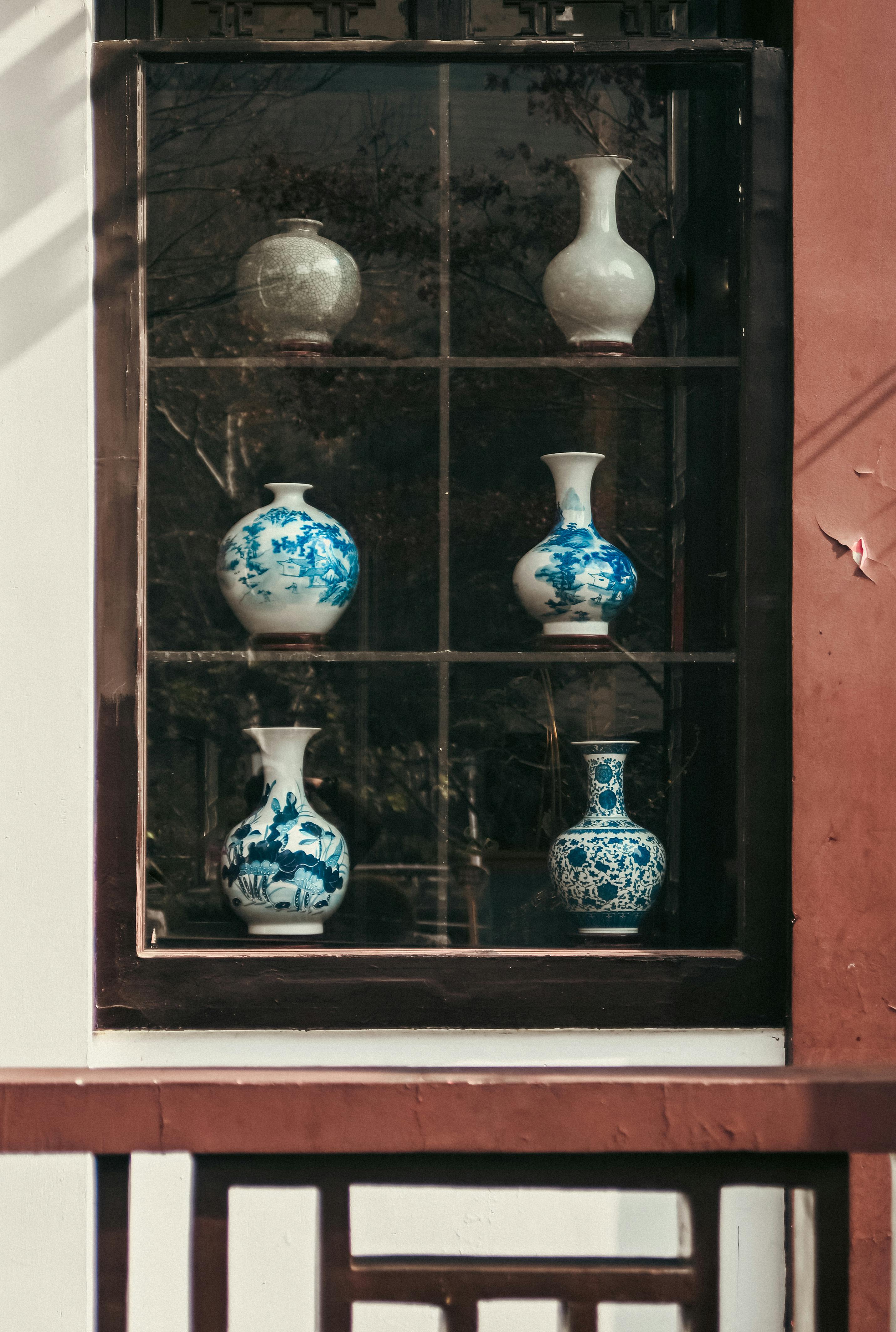
Blue and white porcelain vessels displayed in a window
佐賀 / Saga

Arita ware

Arita is closely associated with fine porcelain, clear white bodies, blue-and-white painting, and elegant overglaze color.

Common forms
Plates, bowls, cups, serving dishes.
Look for
Crisp painting, luminous porcelain, balanced decoration.
02
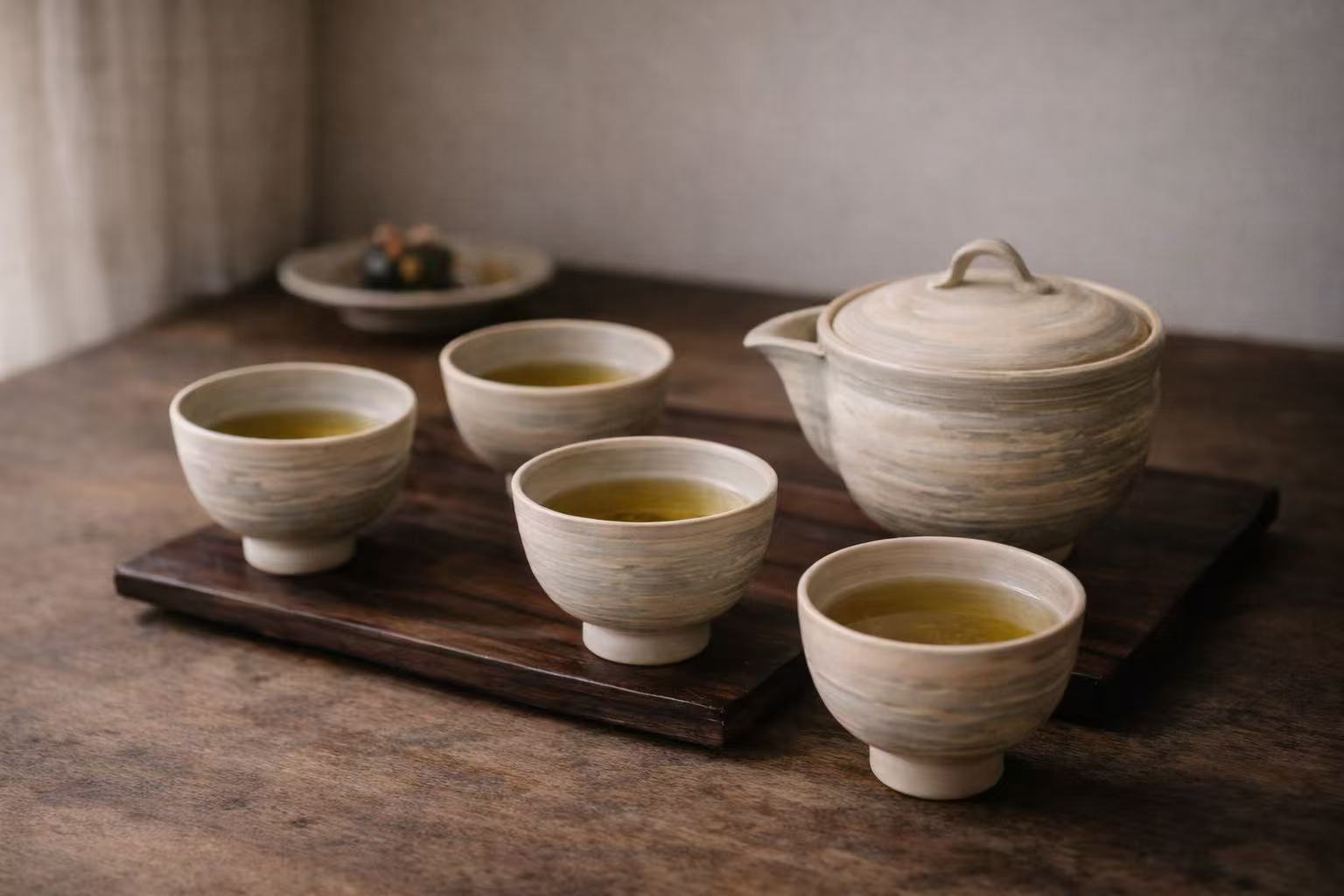
Japanese teaware arranged for daily use
長崎 / Nagasaki

Hasami ware

Hasami is practical porcelain for daily life: simple, stackable, and easy to place on a modern table.

Common forms
Everyday plates, mugs, rice bowls, teacups.
Look for
Clean utility, gentle pattern, comfortable scale.
03
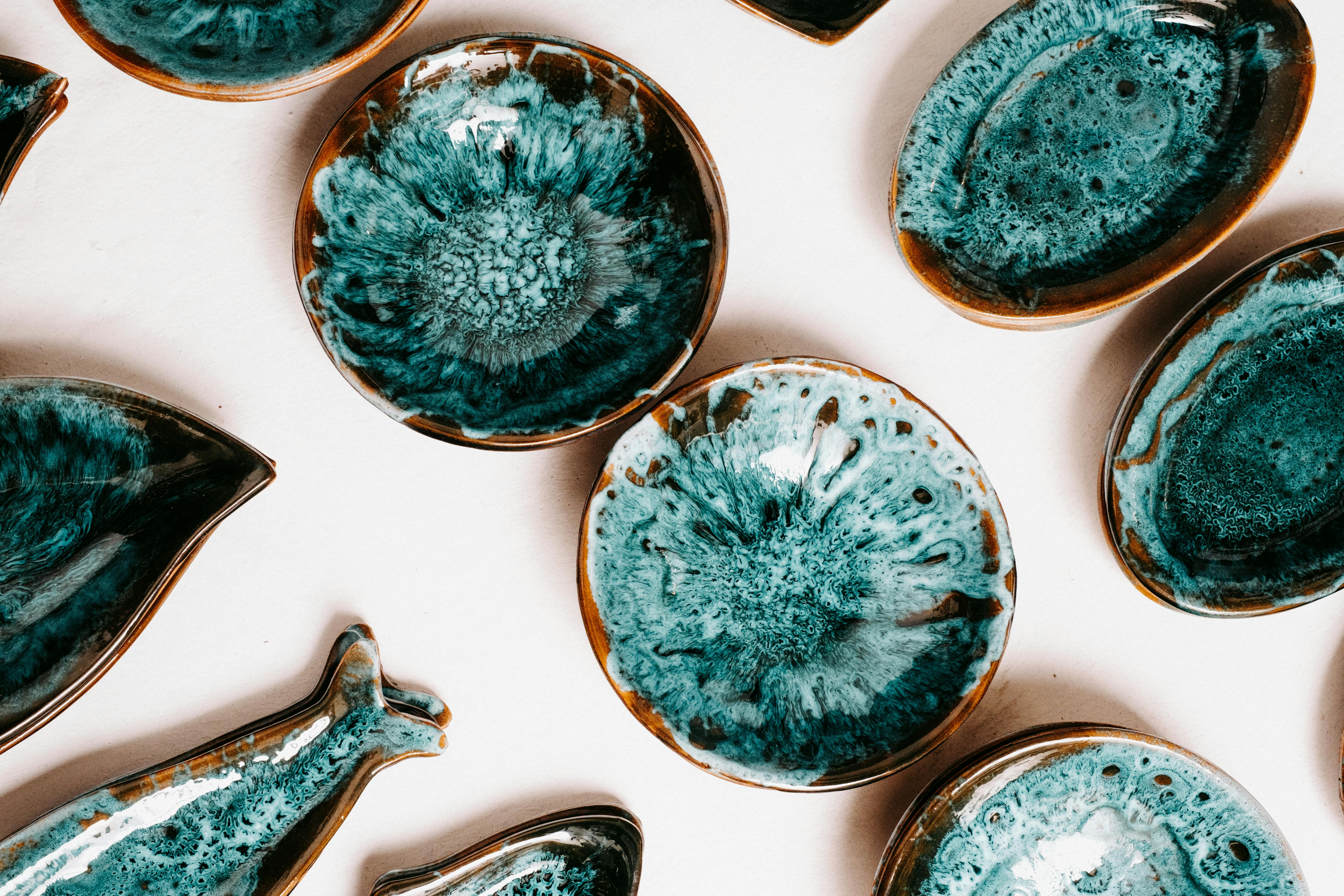
Green glazed Japanese plates
岐阜 / Gifu

Mino ware

Mino covers a wide family of styles, from Oribe green and Shino softness to everyday table vessels.

Common forms
Tea bowls, plates, serving bowls, small dishes.
Look for
Glaze movement, warm surfaces, generous use.
04
Japanese ceramic vessel detail
愛知 / Aichi

Seto ware

One of Japan's long-standing kiln areas, Seto includes glazed stoneware, porcelain, and dependable everyday vessels.

Common forms
Tea utensils, jars, plates, bowls.
Look for
Reliable form, calm glaze, long craft lineage.
05
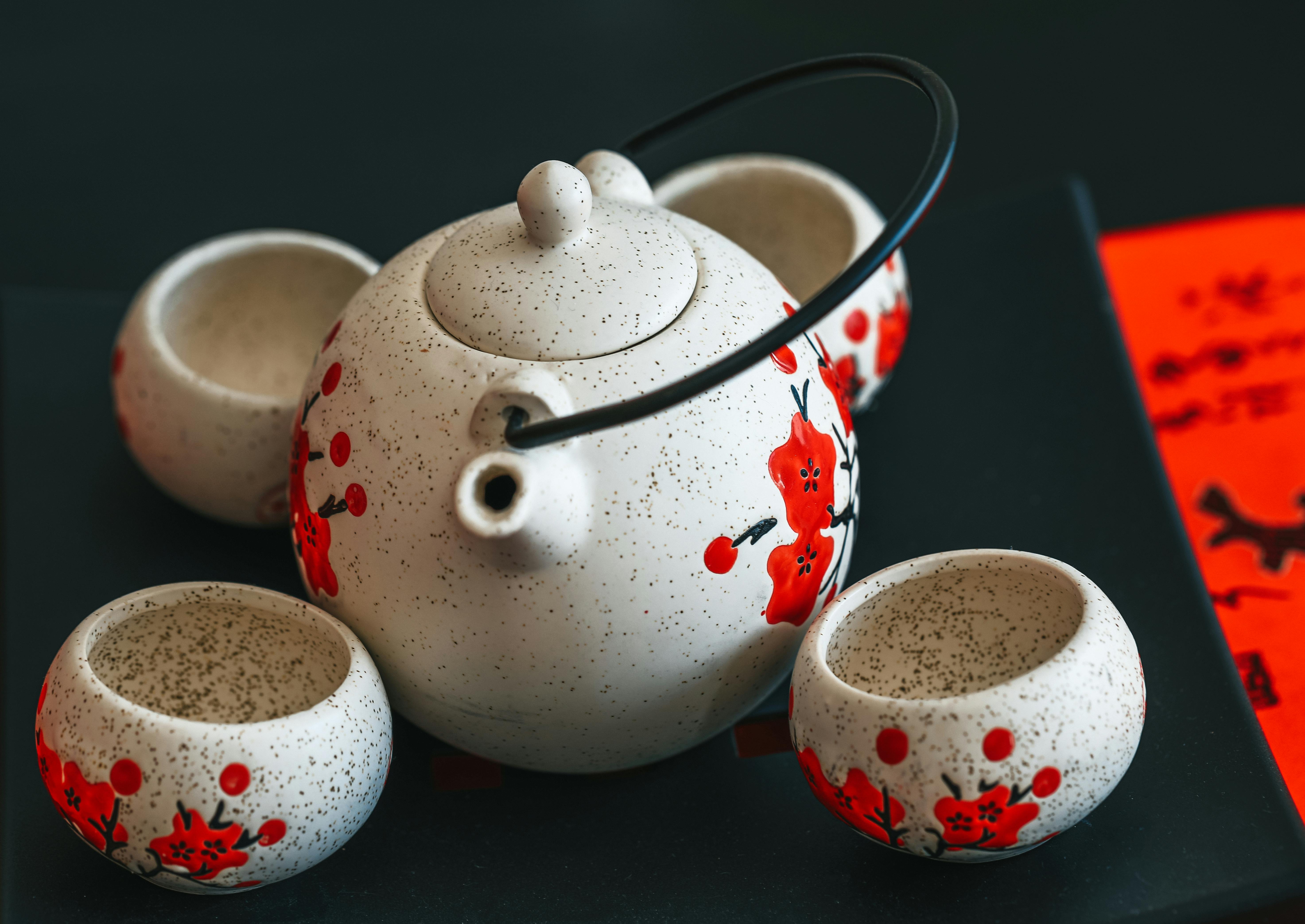
Japanese teapot and cups with red floral decoration
石川 / Ishikawa

Kutani ware

Kutani is recognized for vivid overglaze color and decorative painting, often giving a vessel a strong presence.

Common forms
Decorative plates, cups, sake ware, small objects.
Look for
Color fields, painted detail, expressive composition.
06
Quiet ceramic vessels on a shelf
滋賀 / Shiga

Shigaraki ware

Shigaraki is loved for coarse clay, natural ash effects, earthy surfaces, and forms that feel close to landscape.

Common forms
Vases, jars, tea bowls, display objects.
Look for
Texture, feldspar specks, natural firing marks.
07
Brown clay Japanese teapot and cups
岡山 / Okayama

Bizen ware

Bizen is unglazed stoneware shaped by clay, flame, and ash: quiet, tactile, and strong in hand.

Common forms
Vases, sake ware, tea vessels, plates.
Look for
Natural fire color, kiln marks, dry texture.
08
Soft ceramic vessels and tea objects
山口 / Yamaguchi

Hagi ware

Hagi is valued in tea culture for soft clay, pale glaze, and surfaces that change gently through use.

Common forms
Tea bowls, cups, small bowls.
Look for
Soft glaze, warm foot, subtle crazing.
09
Japanese vessels on a quiet shelf
佐賀 / Saga

Karatsu ware

Karatsu often feels direct and natural, with iron painting, simple forms, and a close relationship to tea.

Common forms
Tea bowls, plates, sake ware, serving vessels.
Look for
Loose brushwork, earthy clay, understated form.
10
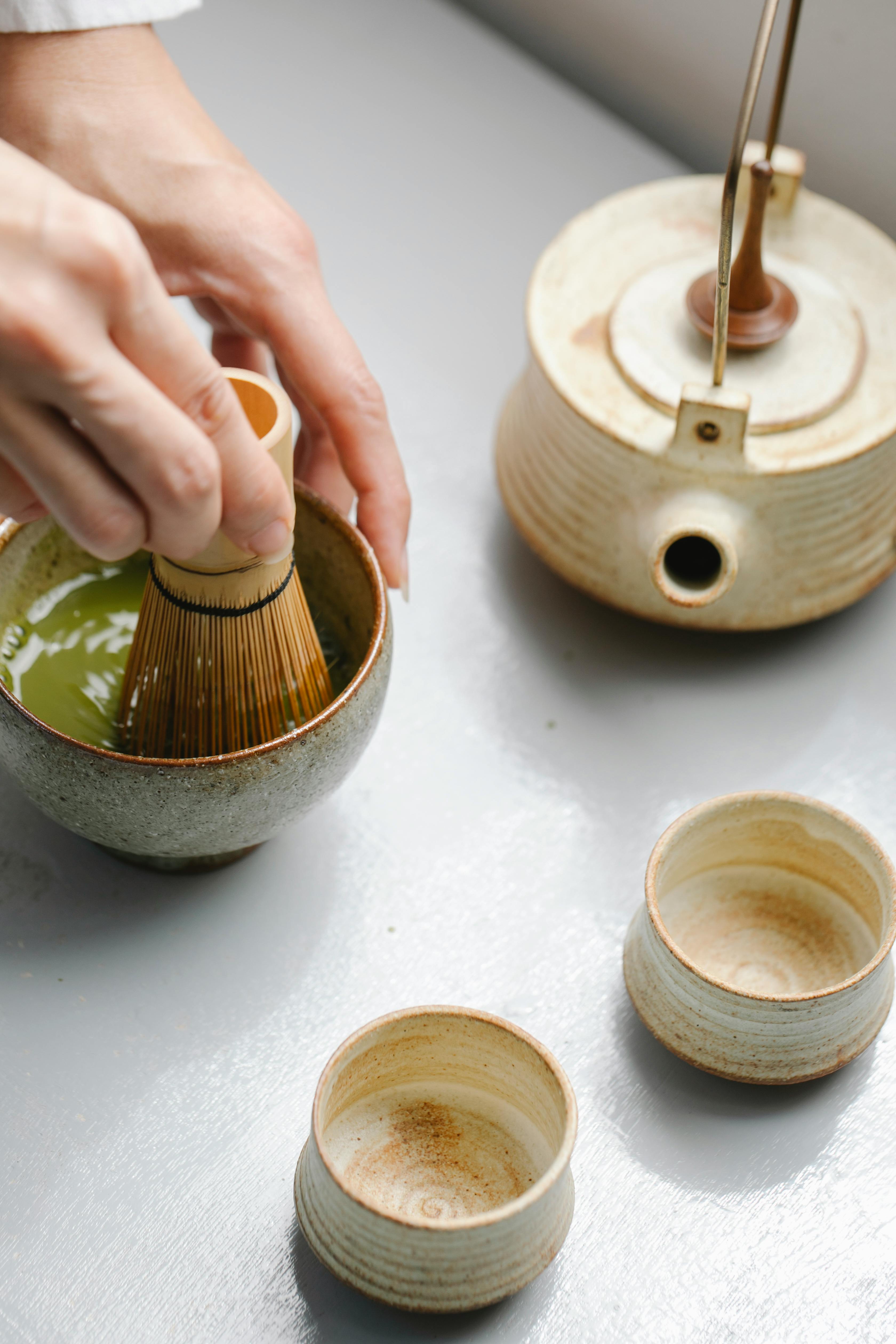
Japanese teaware arranged for tea
愛知 / Aichi

Tokoname ware

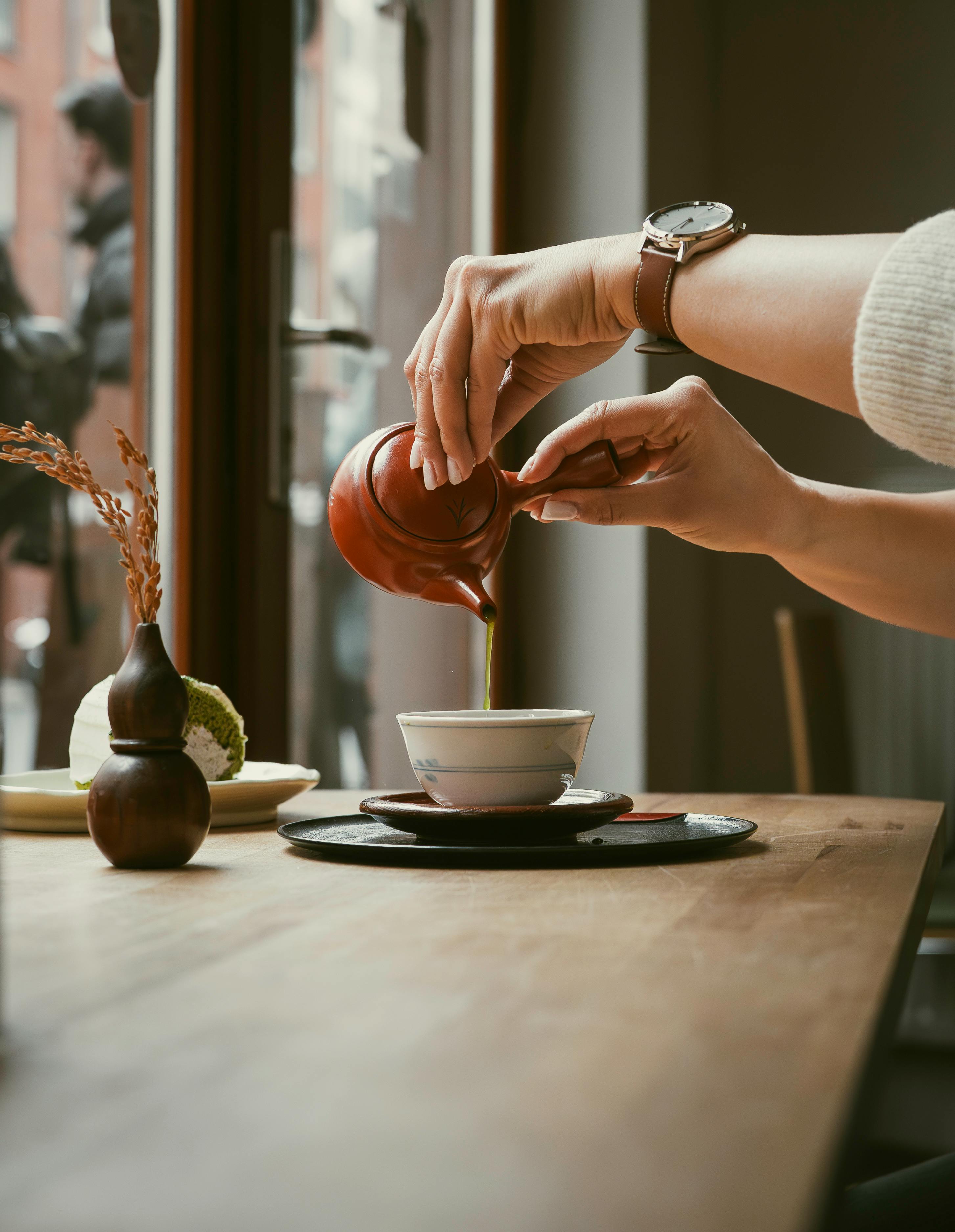
Tokoname is especially known for teapots and red clay vessels that suit Japanese green tea.

Common forms
Kyusu, tea jars, cups, flower vessels.
Look for
Clay feel, pour, handle balance, tea use.
11
Ceramic vessels displayed in a window
三重 / Mie

Banko ware

Banko includes heat-resistant clay and teaware, practical, restrained, and suited to regular use.

Common forms
Kyusu, donabe, cups, table vessels.
Look for
Utility, dark clay, heat-friendly forms.
12
Japanese plates with green glaze
栃木 / Tochigi

Mashiko ware

Mashiko is associated with folk craft, warm glazes, generous forms, and vessels made for everyday hands.

Common forms
Mugs, plates, bowls, pitchers, vases.
Look for
Slip, iron glaze, ash glaze, honest weight.
13
Brown clay Japanese tea vessels
兵庫 / Hyogo

Tamba ware

Tamba has a strong stoneware character, with ash, iron tones, and grounded forms from one of Japan's old kiln areas.

Common forms
Jars, vases, plates, sake ware.
Look for
Clay strength, quiet firing marks, rustic balance.